
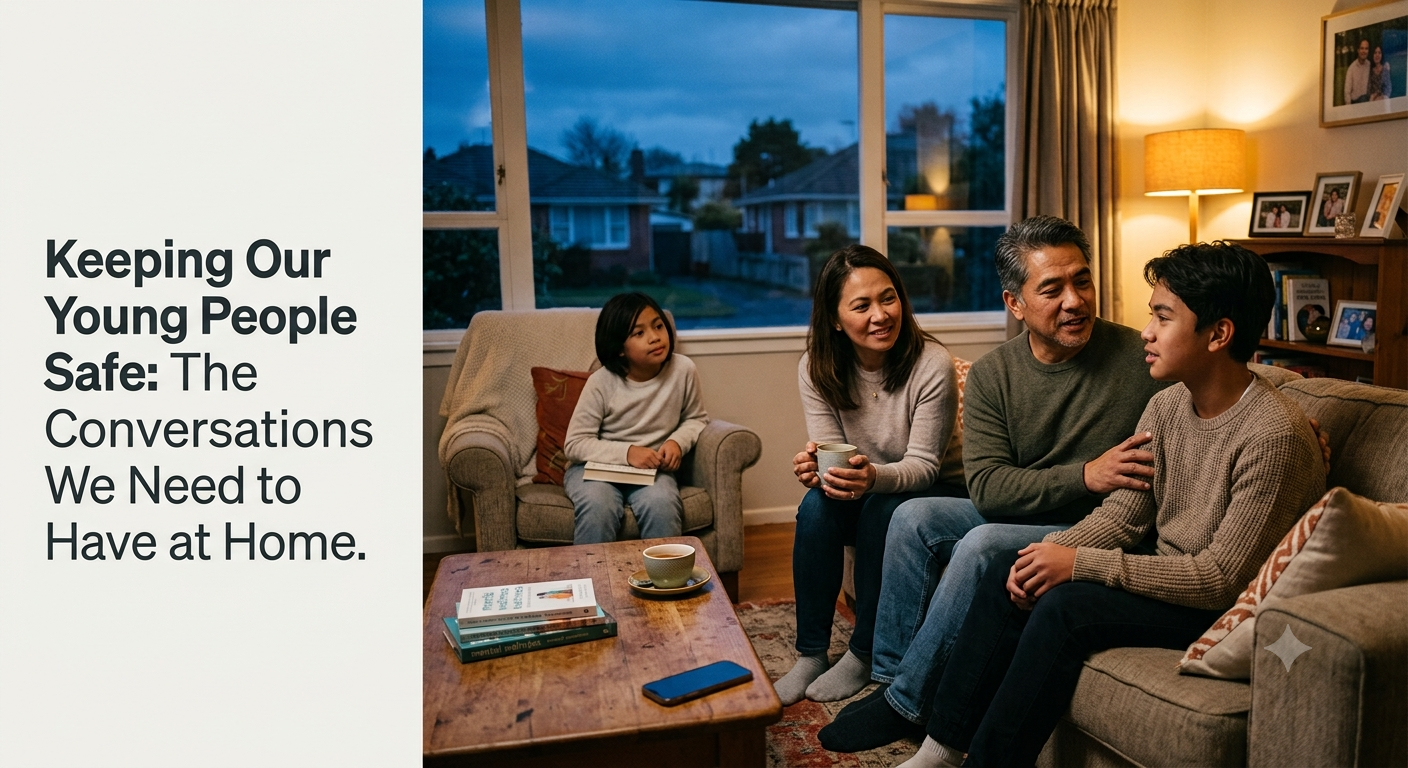
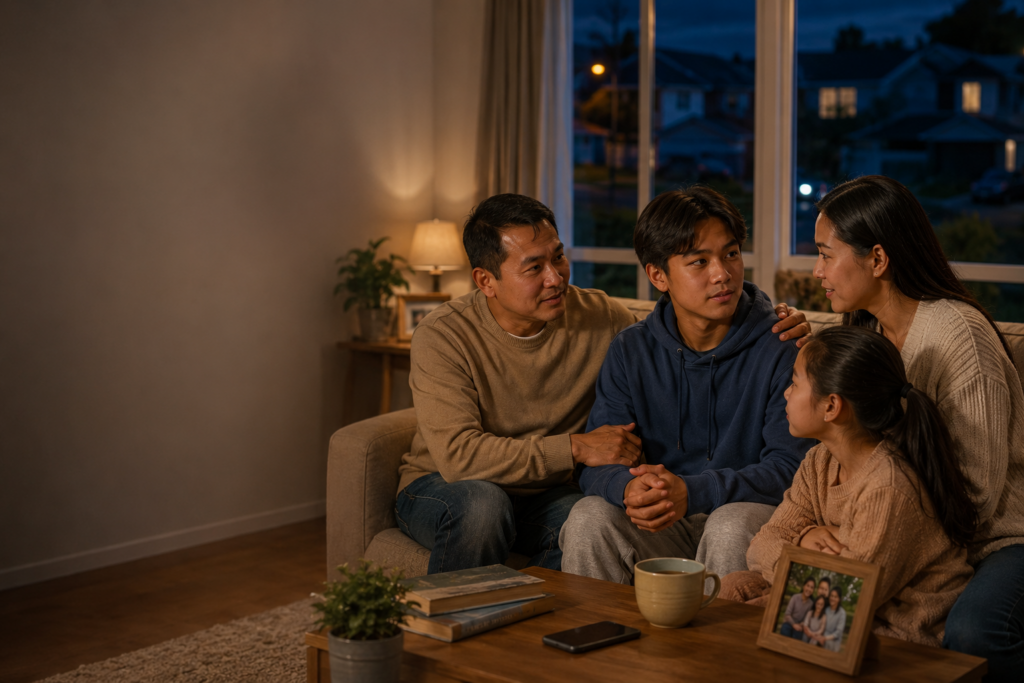
A recent tragedy in the Philippines has left many parents asking difficult questions about the pressures young people face today. While every situation is unique and we should avoid speculation, moments like these remind us of something important: our children need more than rules—they need safe relationships where they feel heard, understood, and supported.
Whether you’re raising children in New Zealand, the Philippines, or anywhere else in the world, today’s young people are growing up in a very different environment than previous generations. Social media, online communities, academic pressure, bullying, and the constant comparison culture can affect their emotional well-being in ways that are not always visible.
The encouraging news is that families don’t need to have all the answers. What matters most is creating a home where conversations happen early and often.
1. Listen Before You Lecture
Children are more likely to open up when they know they won’t be immediately judged or criticised.
Instead of asking only, “How was school?” try questions like:
- “What made you smile today?”
- “Was anything difficult this week?”
- “Is there anything on your mind that you’d like to talk about?”
Sometimes listening quietly is more powerful than offering immediate advice.
2. Take Bullying Seriously
Bullying isn’t always physical.
It can happen through:
- Social media
- Group chats
- Gaming platforms
- School friendships
- Exclusion from peer groups
A child who suddenly becomes withdrawn, anxious, or reluctant to attend school may be trying to cope with something they don’t yet know how to explain.
Creating a safe space where children know they will be believed can make a meaningful difference.
3. Notice Changes in Behaviour
Parents often know their children best.
Pay attention to significant changes such as:
- Loss of interest in favourite activities
- Sleeping too much or too little
- Sudden mood changes
- Declining school performance
- Increased isolation
- Unusual anger or sadness
These changes don’t always indicate a serious problem, but they are worth noticing and talking about with care.
4. Know Their Digital World
Today’s children don’t just live in the physical world—they spend a large part of their lives online.
Take time to understand:
- What apps they use
- Who they interact with
- What content they consume
- How much time they spend online
- Whether they know how to respond to cyberbullying or harmful content
The goal isn’t to spy on them but to guide them with wisdom and trust.
5. Build Communication Before a Crisis
The best time to build trust isn’t during an emergency—it’s every ordinary day before one happens.
Simple family habits can strengthen connection:
- Eat meals together when possible.
- Have device-free conversations.
- Celebrate small achievements.
- Pray together or reflect together if that is part of your family’s values.
- Let children know it’s okay to ask for help.
These everyday moments build the foundation for honest conversations when life becomes difficult.
6. Partner with Schools and Your Community
Keeping young people safe is a shared responsibility.
Parents, teachers, coaches, faith communities, youth leaders, and neighbours all play an important role in creating environments where children feel valued and supported.
When families and communities work together with empathy rather than judgment, young people benefit.
A Message to Parents
No parent is perfect, and no family has all the answers.
What children often remember most is not that their parents solved every problem, but that they felt loved, listened to, and safe enough to come home with their struggles.
One meaningful conversation today may become the reason a young person chooses hope tomorrow.
Let’s continue building homes where love is spoken openly, questions are welcomed, and every child knows they never have to face life’s challenges alone.
If you or someone you know is struggling emotionally or experiencing thoughts of self-harm, reach out to a trusted family member, friend, school counsellor, healthcare professional, or your local crisis support service. Asking for help is a sign of courage, not weakness.